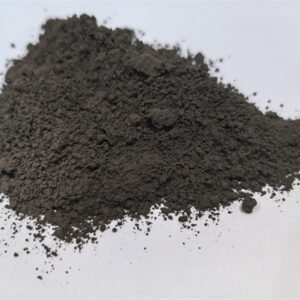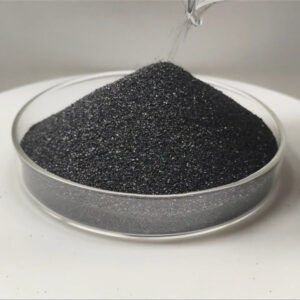


Why is 38-41% chromite flour also called glass powder?
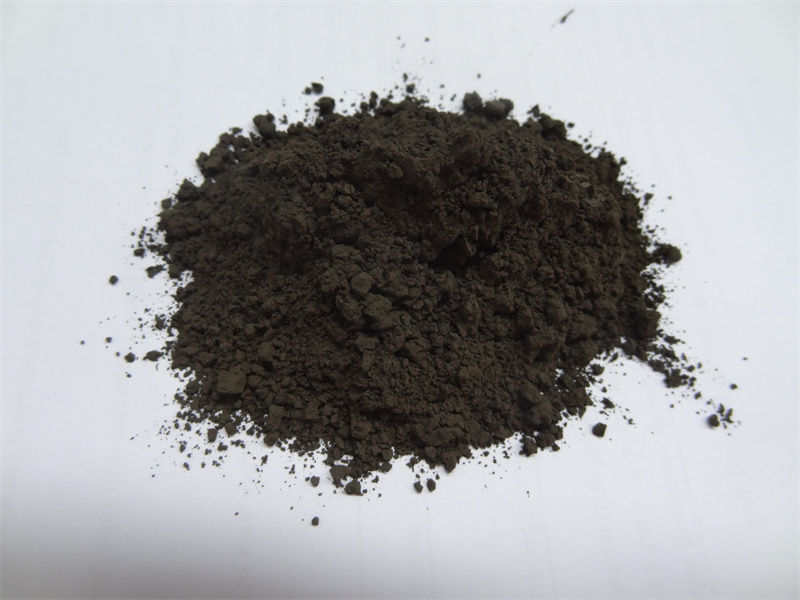
38%–41% chromite flour is called “glass powder” primarily due to its specific applications and compositional characteristics in the glass industry. The reasons are as follows:
Core Application Relevance: Chromite flour 38-41% is mainly used as a glass colorant. Through the chemical reaction of chromium (Cr₂O₃) with the glass matrix at high temperatures, it imparts specific colors such as green or brown to the glass. For example, beer bottles, wine bottles, and other container glass require the addition of this type of chromite flour to achieve UV resistance. This direct application to the glass industry makes it known in the industry as “glass powder.”
Chemical Composition and Performance Compatibility:
Cr2O3%: Cr₂O₃ 38%–41% meets the requirements for glass coloring while avoiding the excessive cost or process compatibility issues that may result from higher Cr2O3% (e.g., ≥46%).
Particle Size Requirements: Its conventional mesh sizes (e.g., 200 mesh, 325 mesh, 400 mesh) are highly compatible with the melting and dispersion processes in glass production, ensuring color uniformity and stability.
High Temperature Resistance: Chromite flour exhibits volume stability during glass melting, does not react with molten metal, and prevents sand adhesion or seepage in castings, meeting the material stability requirements of glass manufacturing.
Industry Naming Convention: In the glass industry, materials are often named according to their function (e.g., “glass microspheres,” “glass fiber”). Because this type of chromite flour is specifically used for glass coloring and has a powdery appearance, it is simply referred to as “glass powder” to distinguish it from other chromium ore products used in metallurgy or casting.