

Exact Applications of Chromite Powder in the Glass Industry
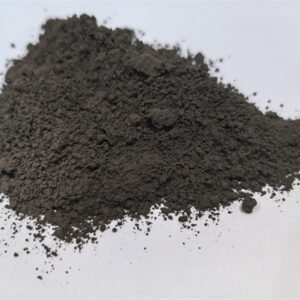
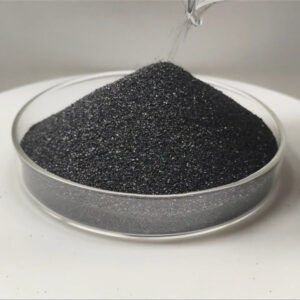
Chromite powder‘s main component is ferrichromite. It relies on trivalent chromium for stable color development, high-temperature resistance, acid and alkali resistance, and a cost-effectiveness far superior to high-purity chromium oxide. It also acts as a flux and enhances the physical and chemical properties of glass, making it widely used in four major categories: packaging glass, architectural glass, industrial specialty glass, and art glass. Chromium is green in an oxidizing atmosphere, and when combined with natural iron and manganese impurities within the ore, it can produce olive green, tea green, and dark green hues, suitable for high-temperature glass melting at 1450~1550℃.

I. Packaging Glass Bottles (Core Raw Material for Beer/Beverage/Pharmaceutical Bottles)
1. Glass Bottles for Beverages
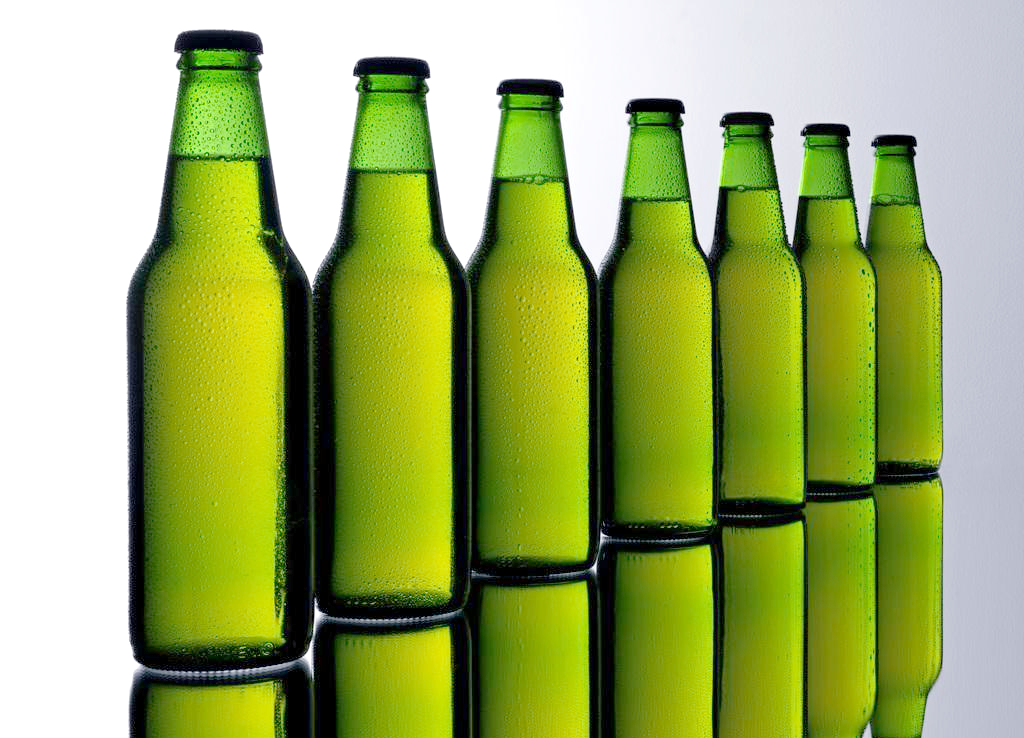
1. Dark Green Beer Bottles: The most mainstream application in the industry. Adding chromite powder creates a deep dark green color, which blocks ultraviolet rays, preventing the hops, vitamins, and flavor compounds in beer from oxidizing and deteriorating under light, thus extending shelf life. Utilizing a chromium + iron composite coloring, the color is rich and full, with good melting stability and extremely low mass production costs.
2. Wine and Fruit Wine Bottles: Commonly used to create olive green and tea green shades with chromium ore. Wine is also susceptible to damage from ultraviolet light, which can destroy tannins and fruit aromas. The iron impurities inherent in chromium ore create a retro and natural color, distinct from the bright green created with chromium oxide, matching the texture of wine packaging.
3. Juice and Condiment Bottles (Vinegar, Soy Sauce, Energy Drinks): Light emerald green and pale tea green bottles use low amounts of added chromite powder. They provide light protection and freshness while allowing a slight view of the internal liquid level; they are acid and alkali resistant, preventing the release of harmful substances from the weak acids in vinegar and fruit juice.
2. Pharmaceutical Glassware
Infusion bottles, vials, and pharmaceutical reagent glass bottles are made with refined chromite powder, which is low in heavy metals:
1.Green and light-proof, protecting antibiotics, vitamins, biological agents, and other light-sensitive drugs;
2. Extremely chemically stable, resistant to immersion in pharmaceutical solutions, alcohol, and disinfectants, with minimal chromium ion leaching;
3. Improved thermal stability, able to withstand high-temperature sterilization and boiling, and less prone to cracking.
II. Architectural and Civil Flat Glass
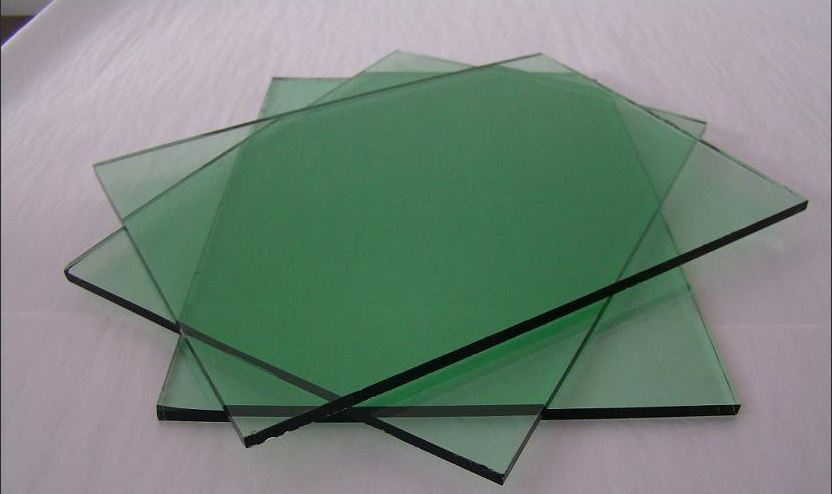
1. Colored Float Green Glass for Architectural Use
The basic coloring material for green glass used in exterior walls, curtain walls, doors, and windows.
1. Forms emerald green and dark green under an oxidizing atmosphere, and does not fade or turn gray under sunlight for many years;
2. Can absorb some infrared rays, providing a certain degree of heat insulation and reducing indoor temperature rise due to sunlight;
3. Resistant to rain and atmospheric acid rain weathering, and will not develop white spots or lose its luster after long-term outdoor use. Small amounts of selenium and cobalt are often added during production to fine-tune the hue and adapt to different architectural design needs.
2. Residential Glass
Green patterned glass, frosted glass, shower room glass, and balcony partition glass are tinted with chromium ore; they are harder, more resistant to daily cleaning and wear, and less susceptible to corrosion by cleaning agents.
III. Specialty Industrial Glasses
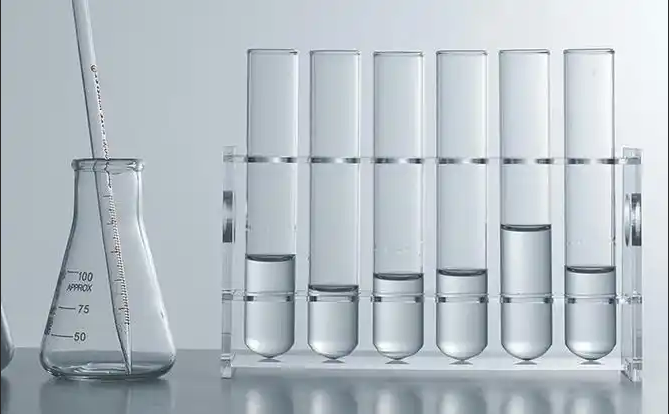
1. Laboratory Chemical Glass (Beakers, Erlenmeyer Flasks, Reagent Storage Bottles)
1. Chromium imparts excellent acid and alkali resistance and organic solvent resistance to the glass, suitable for storing various chemical reagents;
2. Green color provides light shielding, suitable for storing photosensitive chemicals such as nitric acid, hydrogen peroxide, and halides;
3. Enhanced thermal shock resistance prevents cracking under rapid temperature changes, suitable for heated experiments.
2. Sight Glass for Chemical Pipelines and Equipment
Corrosion-resistant glass pipes in chemical plants, boiler level gauges, and reactor observation sight glasses: Chromium-enhanced glass is resistant to high temperatures and chemical media corrosion, and will not be corroded by long-term contact with acids and salt spray; the green color facilitates quick identification of glass components in complex factory areas.
3. Solar and Photovoltaic Supporting Glass
Light brown photovoltaic cover glass and heat collection glass: Precisely controlled chromium ore content selectively blocks ultraviolet rays (preventing aging of photovoltaic adhesive and encapsulation layer) while ensuring visible light transmittance to meet power generation requirements; excellent weather resistance, suitable for year-round use in outdoor power plants.
4. Heat-resistant industrial glassware
High-temperature oven glassware, baking heat-resistant glassware, with added chromium ore to improve thermal stability and mechanical strength, while maintaining an aesthetically pleasing light green color.
IV. Artistic Handmade Glass and Glass Crafts
1. Blown Glass, Glass Ornaments, Vases, and Lamp Glass: Chromium ore can be used to create vintage moss green and mottled dark green. Chromium ore contains trace amounts of iron and aluminum impurities, which create a natural variegated texture, producing a handcrafted vintage and kiln-fired feel—a vintage effect that is difficult to replicate with pure chromium oxide.
2. Stained Inlaid Glass and Cathedral Glass: Using chromium ore to create shades of green is a lower-cost and more likely method.